Pedagogy in Practice – Creating Student Engagement
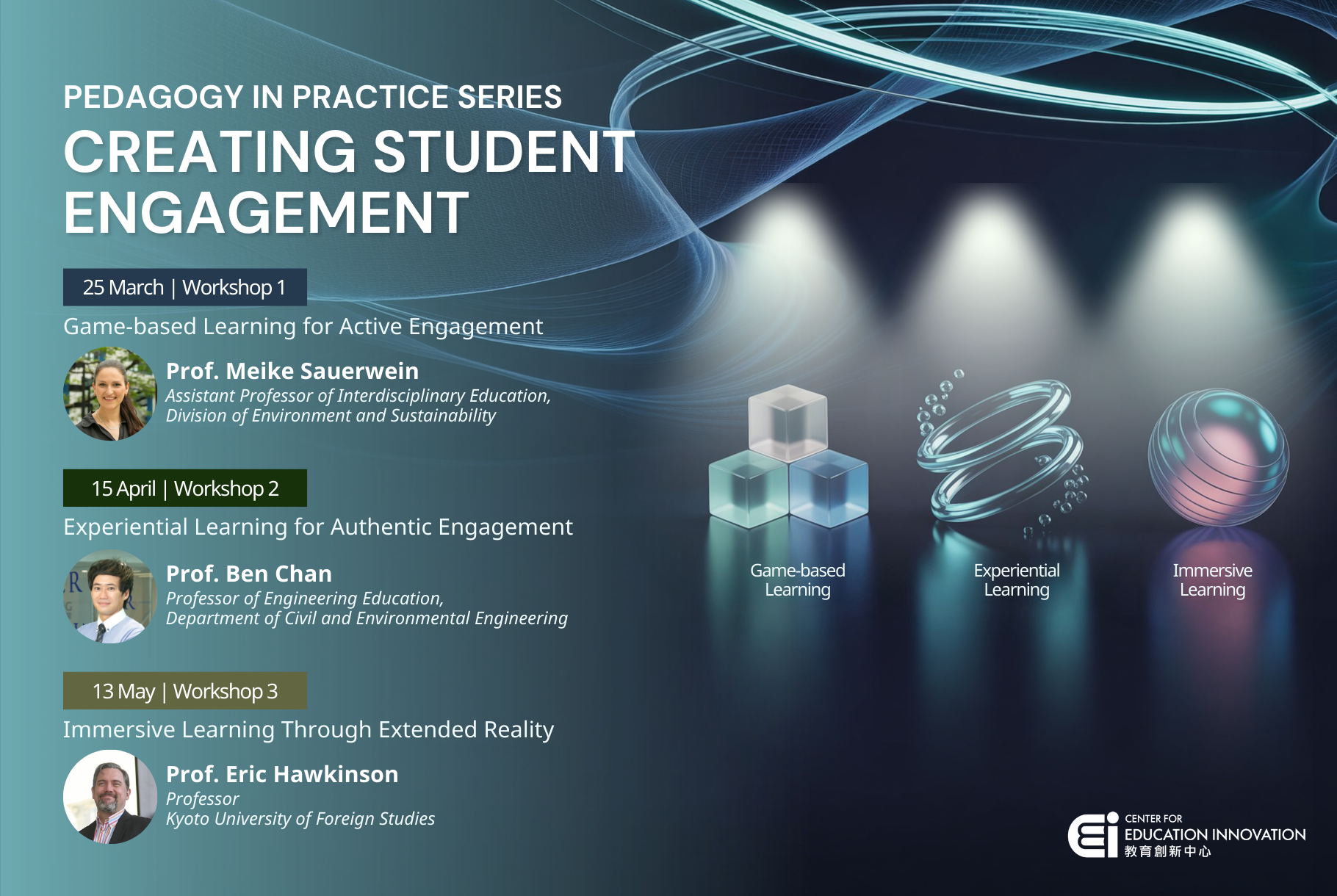
This series of Pedagogy in Practice focuses on creating student engagement through three approaches: Game-based Learning, Experiential Learning, and Immersive Learning. The series highlights pedagogy as the driver of engagement, showing how learning experiences are intentionally designed to support interaction and collaboration. Through real classroom examples, facilitated discussion, and reflection, you will examine how engagement is built into learning design—and how these pedagogies can be adapted to your teaching context.
| Date: | 25 MAR, 15 APR, & 13 MAY 2026 |
|---|---|
| Venue: | The Learning Forum, Rm 6558 (Lift 27/28) |
| Organized by: | Center for Education Innovation (CEI) |
Workshop Details:
| Post-workshop Resources: |
|---|
- Workshop 1 Recording
- Workshop Slide Deck
- Game-Based Learning - A Practical Guide
| Event Details: |
|---|
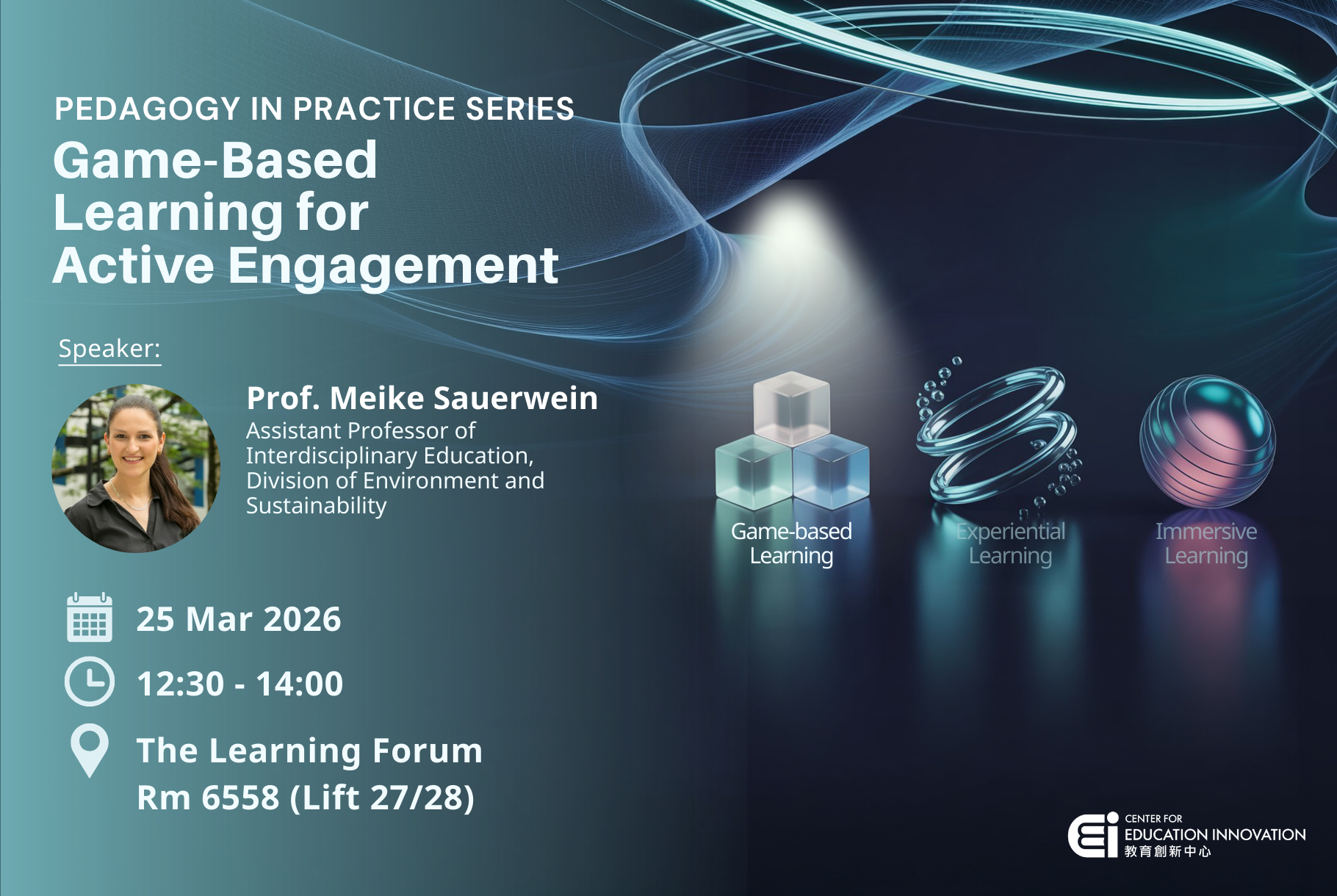
This session focuses on Game-based Learning, examining how structured play can deepen engagement and support meaningful learning. Drawing on elements such as goals, rules, feedback, and challenge, the session explores how to start and leverage Game-based Learning, and how to create a narrative that motivates participation and sustains curiosity. Participants will gain insight through experiencing how intentional game design, reflection, and facilitation transform play into learning opportunities that promote problem-solving, collaboration, and transferable skills across disciplines.
| Date: | 25 MAR 2026 (WED) |
|---|---|
| Time: | 12:30 – 14:00 |
| Venue: | The Learning Forum, Rm 6558 (Lift 27/28) |
| Speaker: |
 |
Prof. Meike Sauerwein Assistant Professor of Interdisciplinary Education Division of Environment and Sustainability Dr. Meike Sauerwein is an Assistant Professor of Interdisciplinary Education at the Division of Environment and Sustainability. Her research and teaching interests lie in holistic assessments of the environmental impacts of products (Life Cycle Assessment) and in how such knowledge can be used for corporate impact assessment and consumer education. Meike is passionate about teaching and enjoys exploring tools and methodologies to make lectures interactive and engaging. She is leading projects to develop educational tools, such as serious games and impact calculators, to teach life-cycle thinking and sustainable consumption concepts. Meike is a recipient of the Common Core Course Excellence Award 2021 and 2024 for her individual and team-teaching efforts. |
|---|
| Post-workshop Resources: |
|---|
| Event Details: |
|---|
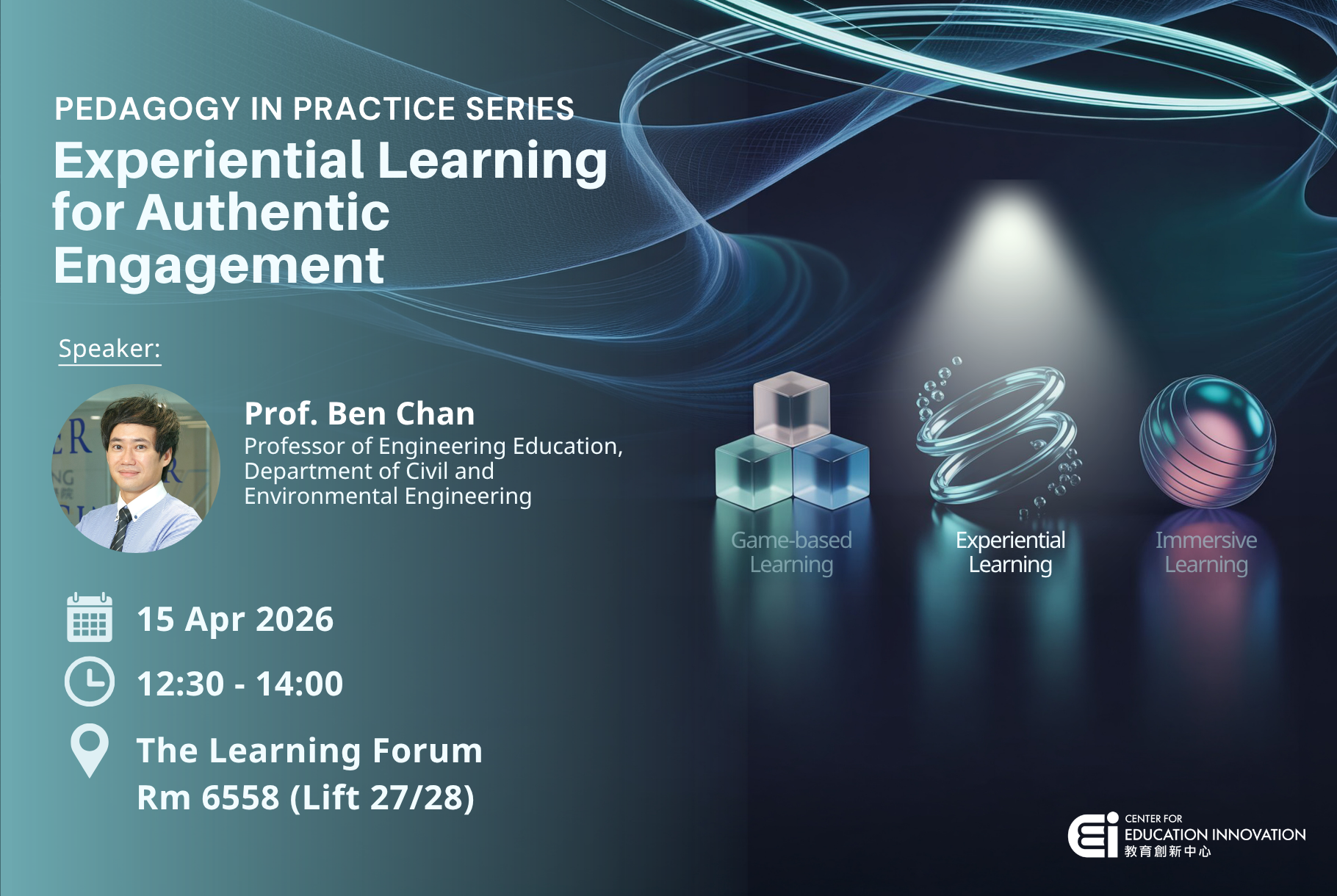
This session focuses on Experiential Learning, examining how structured real-world applications deepen understanding and strengthen transfer. Drawing on the four phases—concrete experience, reflective observation, abstract conceptualization, and active experimentation—the session explores how authentic tasks, guided reflection, and iterative application create meaningful learning experiences beyond content acquisition. Participants will gain insight into how intentional experience design and reflective facilitation support engagement, skill development, and durable learning across disciplines.
The session further introduces a constructive failure approach embedded in a two-phase teaching cycle: instructors deliberately design an initial seminar task where students are likely to fail, then guide them to analyze and leverage that failure as a catalyst for deeper learning. In the second phase, students apply insights from their first attempt to redesign their approach, turning initial setbacks into strategic improvements that enhance outcomes for the remainder of the semester.
| Date: | 15 APR 2026 (WED) |
|---|---|
| Time: | 12:30 – 14:00 |
| Venue: | The Learning Forum, Rm 6558 (Lift 27/28) |
| Speaker: |
 |
Prof. Ben Y. B. CHAN Professor of Engineering Education, Department of Civil and Environmental Engineering Prof. Ben, Y. B. Chan is currently the Associate Dean of Students and a Professor in Engineering Education (CIVL & ISD). Ben has worked extensively in Engineering Education related areas, including academic advising, experiential learning and teaching pedagogies development. Ben has been the recipient of numerous teaching excellence awards during his almost decade-long teaching at the University, including the 2024 UGC Teaching Award (Team Award), the Michael G. Gale Teaching Excellence Award 2025, the finalist of the QS Reimagine Education Award 2018 (Global) organized by Wharton School QS Reimagine Education Award Committee; School of Engineering Teaching Excellence Appreciation Award in 2016, 2020 & 2024; the Common Core Teaching Excellence Award 2016, 2023 - Honorary Mention, , etc. With over 15 years of experience in researching and practicing engineering education, Chan have published over 50 journals and conference papers (Education and Civil Engineering) and participated in over 200 invited talks, seminars and conferences in the field of education, mostly in the area of Technology-based Teaching Pedagogies, Cornerstone Design, Creativity and Innovativeness Development, Engineering Identity Development & Internationalization. He also accumulated over HK$24M education related grants as a PI and over HK$80M as Co-I/Co-PI. Over the years, despite his existing identity as the associate director of E2I and chairman of CTLQ, Chan played a significant role in several subject committees in the Education Bureau. |
|---|
| Post-workshop Resources: |
|---|
- Session 1 Recording
- Beyond the Automation Abyss (Preview)
| Event Details: |
|---|
| Date: | 13 MAY 2026 (WED) |
|---|---|
| Venue: | The Learning Forum, Rm 6558 (Lift 27/28) |
| Speaker: |
 |
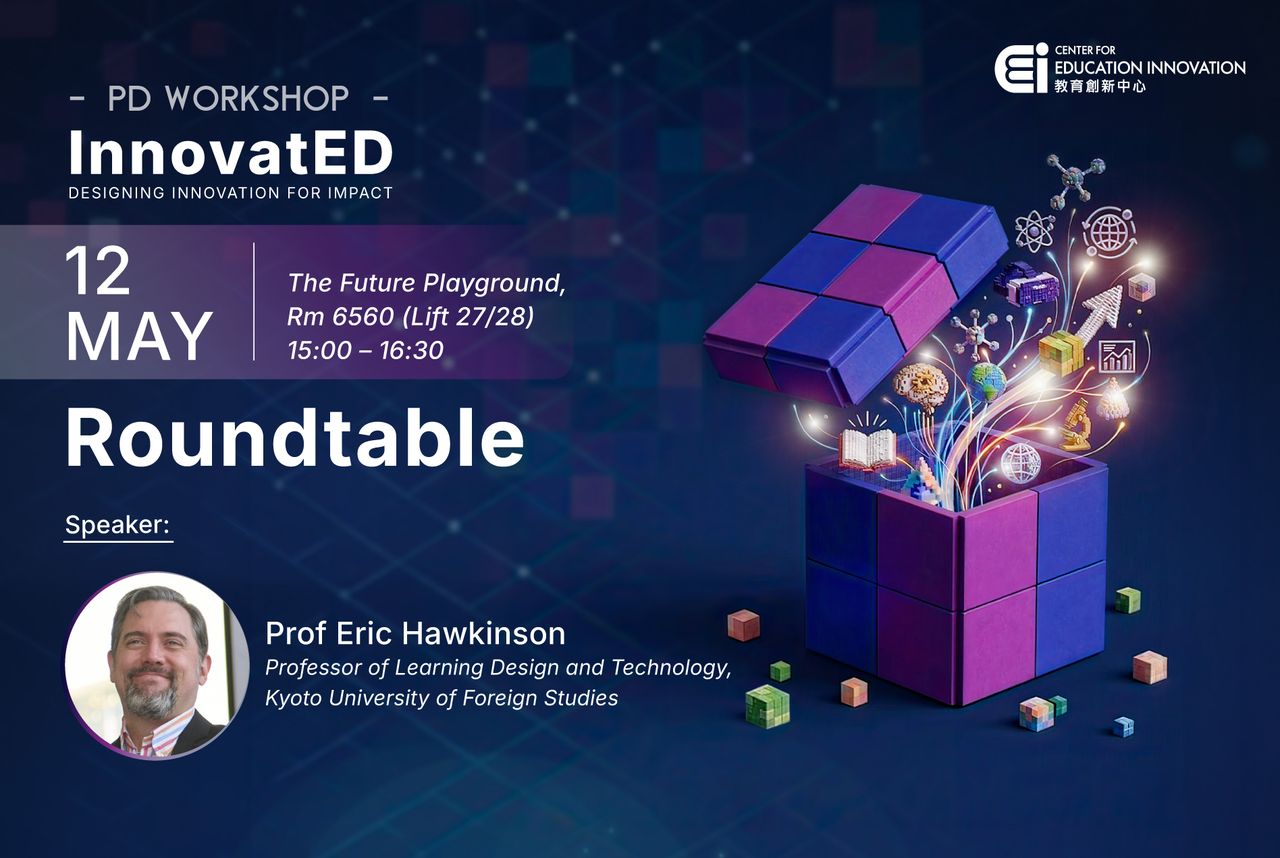
Prof. Eric Hawkinson Professor of Learning Design and Technology Institute of Liberal Arts and Sciences, Kyoto University of Foreign Studies Prof. Eric Hawkinson is a learning futurist and professor at Kyoto University of Foreign Studies. His work explores how emerging technologies shape the future of teaching and learning. He develops immersive learning environments using augmented and virtual reality, including projects such as Reality Labo and the My Hometown Project. Hawkinson is the founder of Together Learning, chair of the World Immersive Learning Labs community, and author of Beyond the Automation Abyss. His research focuses on experiential learning, digital citizenship, and technology-enhanced pedagogy. |
|---|
| Session 1: Teaching at the Edge of Reality: Designing Immersive Learning Experiences | |
|---|---|
| Time: | 12:30 – 14:00 |
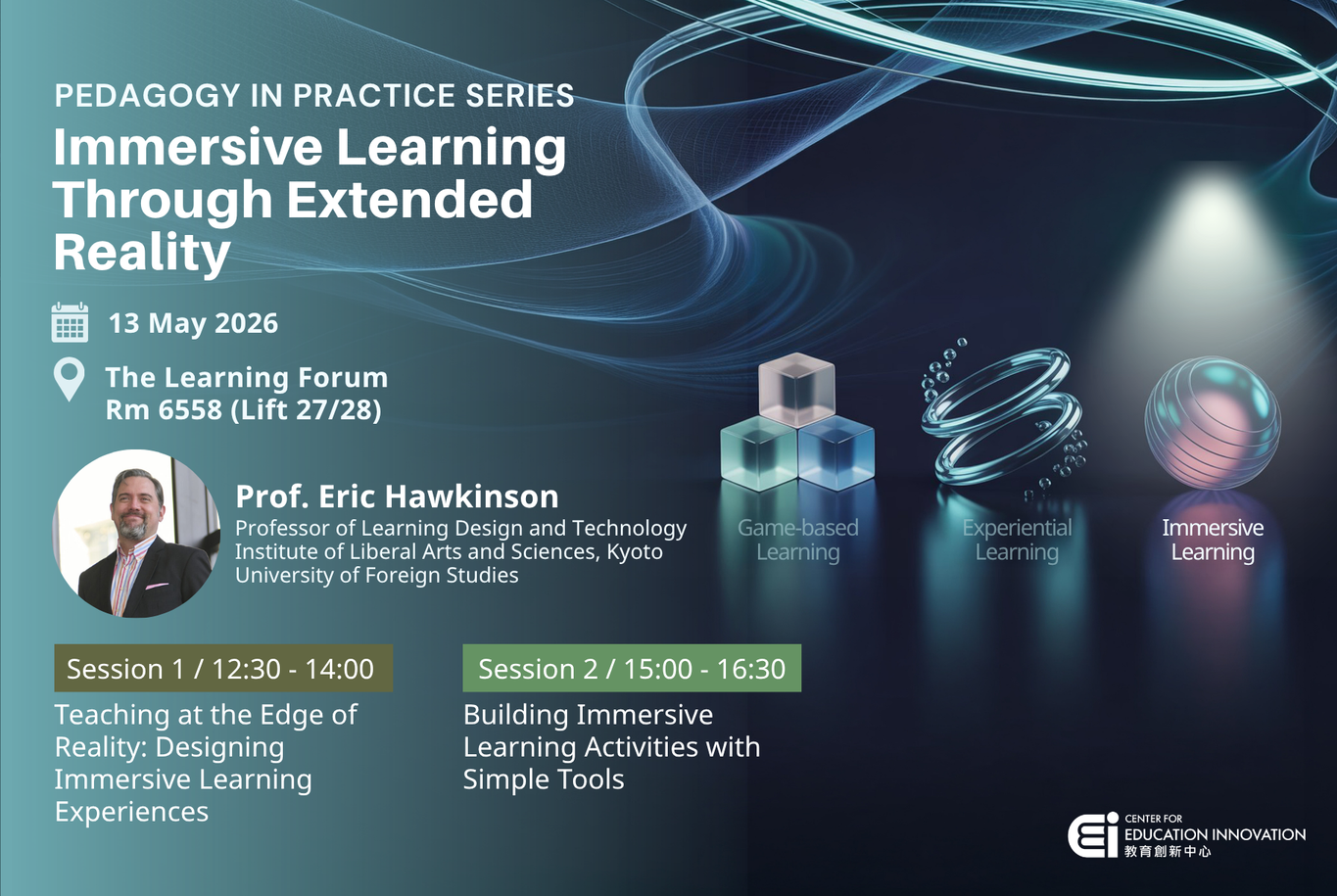
Immersive technologies create new conditions for teaching and learning. This session explores how educators can design experiences that combine physical and digital environments through AR, VR, and narrative interaction. Participants examine case studies and reflect on how immersive learning can support engagement, collaboration, and contextual understanding across disciplines.
| Session 2: Building Immersive Learning Activities with Simple Tools | |
|---|---|
| Time: | 15:00 – 16:30 |
This session demonstrates practical techniques for building immersive learning activities using accessible tools. Participants interact with examples drawn from university projects and student work, exploring how immersive environments can support exploration, role play, and experiential learning across subject areas.
Relevant Events
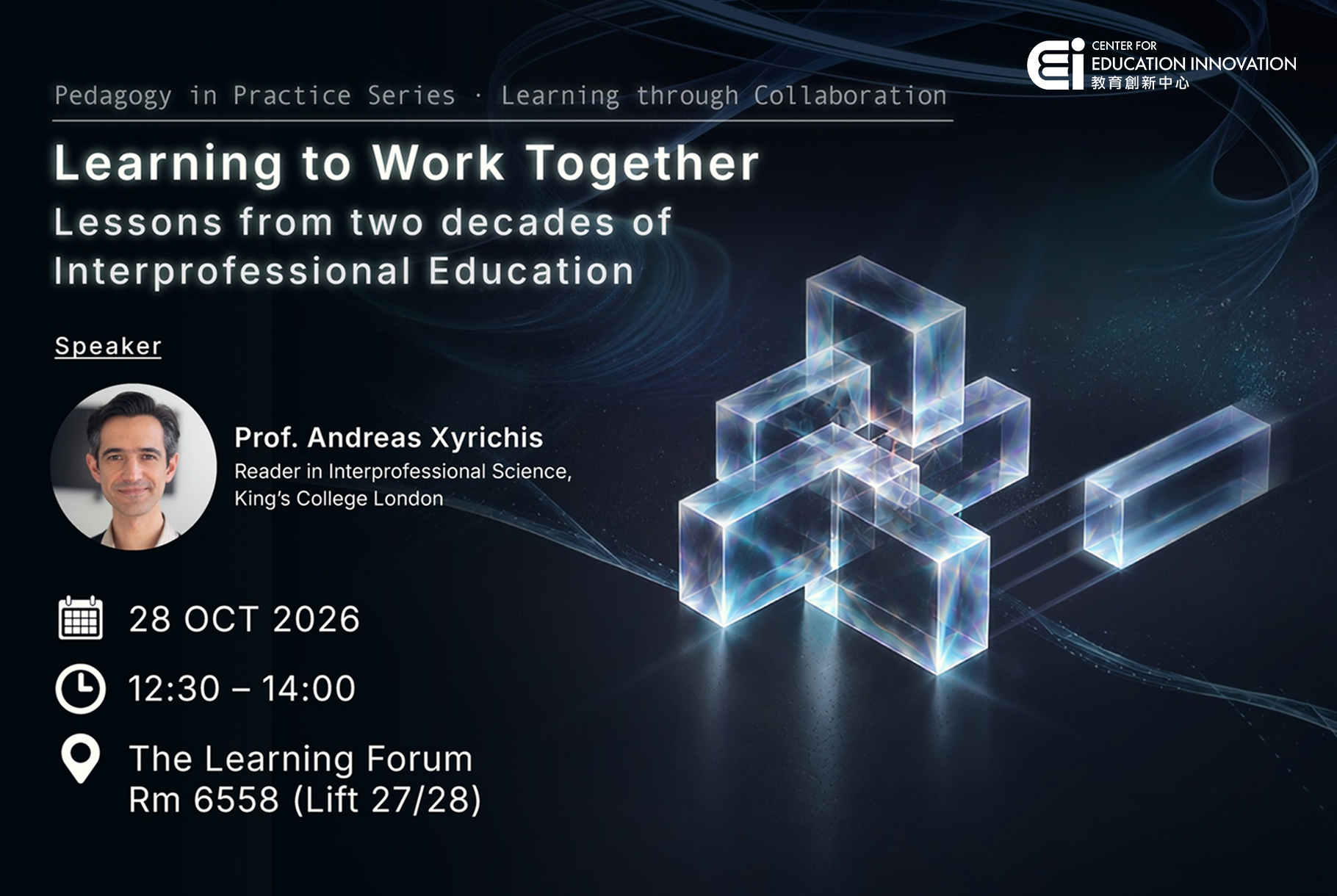
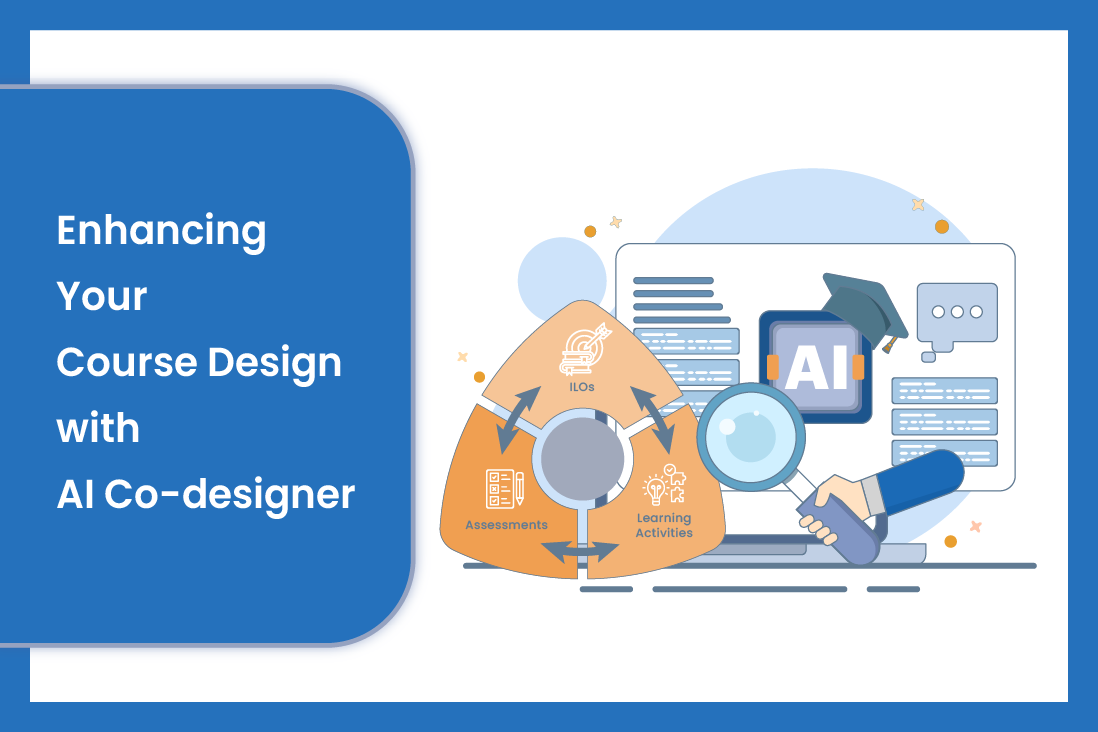
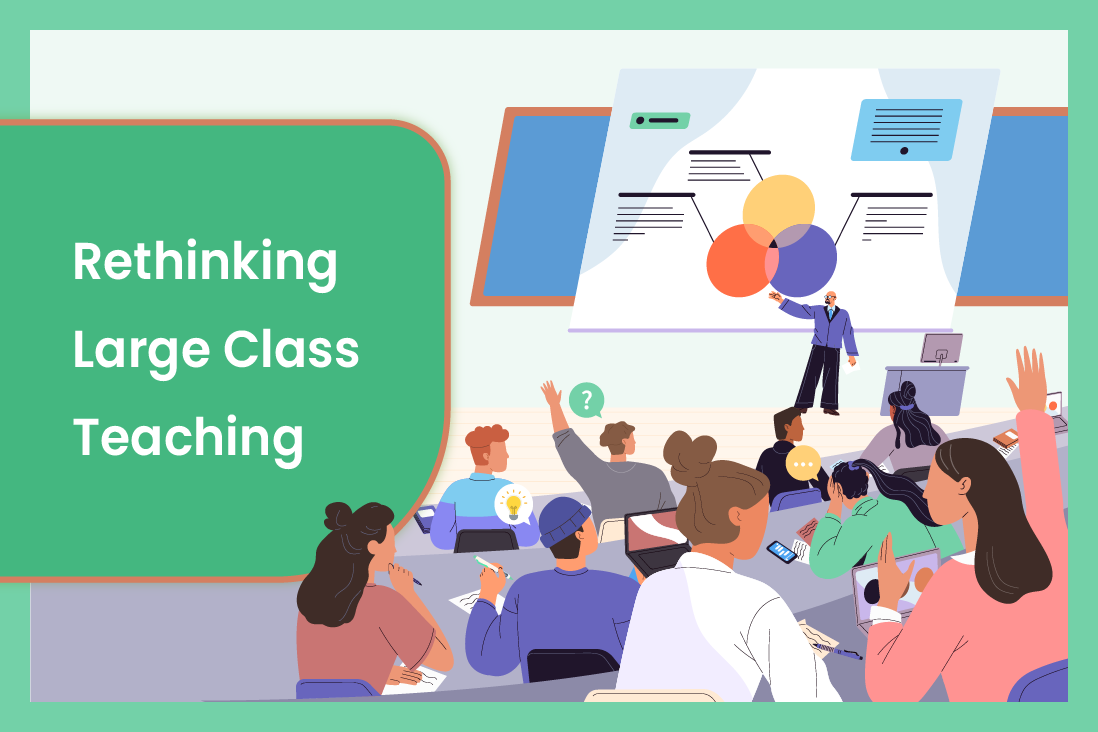
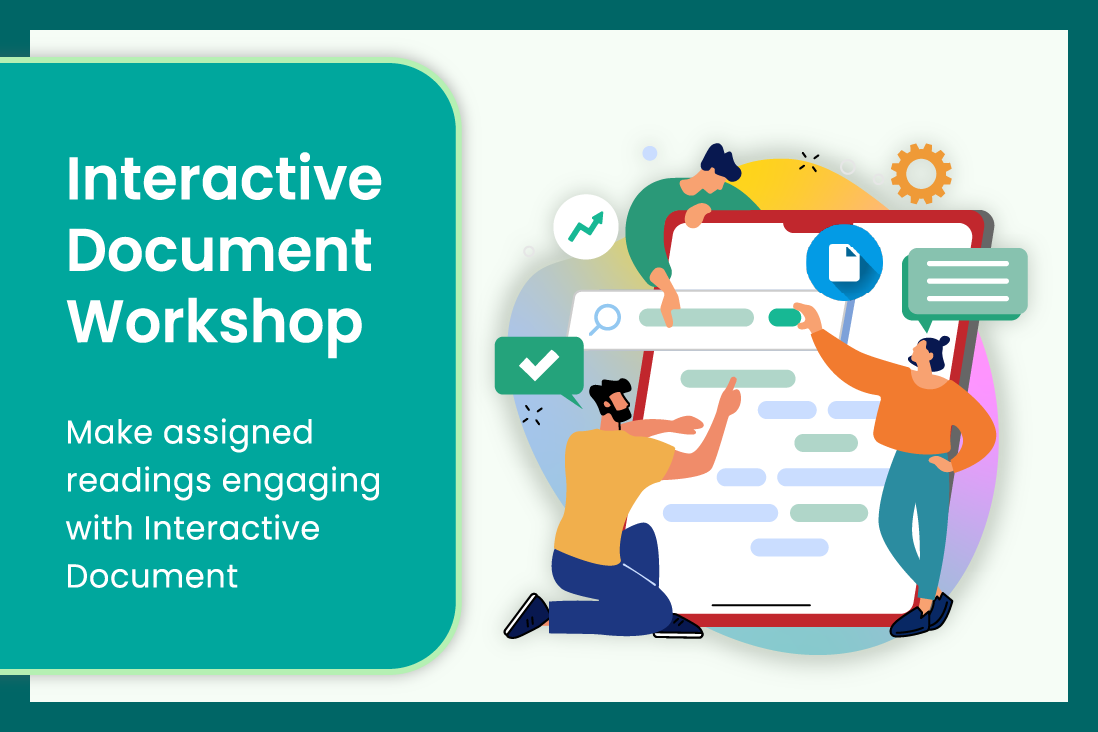
Rethinking Large Class Teaching

Group Member Evaluation Workshop | FALL 2026




Mentimeter Workshop | FALL 2026
Canvas Series | FALL 2026
Zoom Workshop Series | FALL 2026
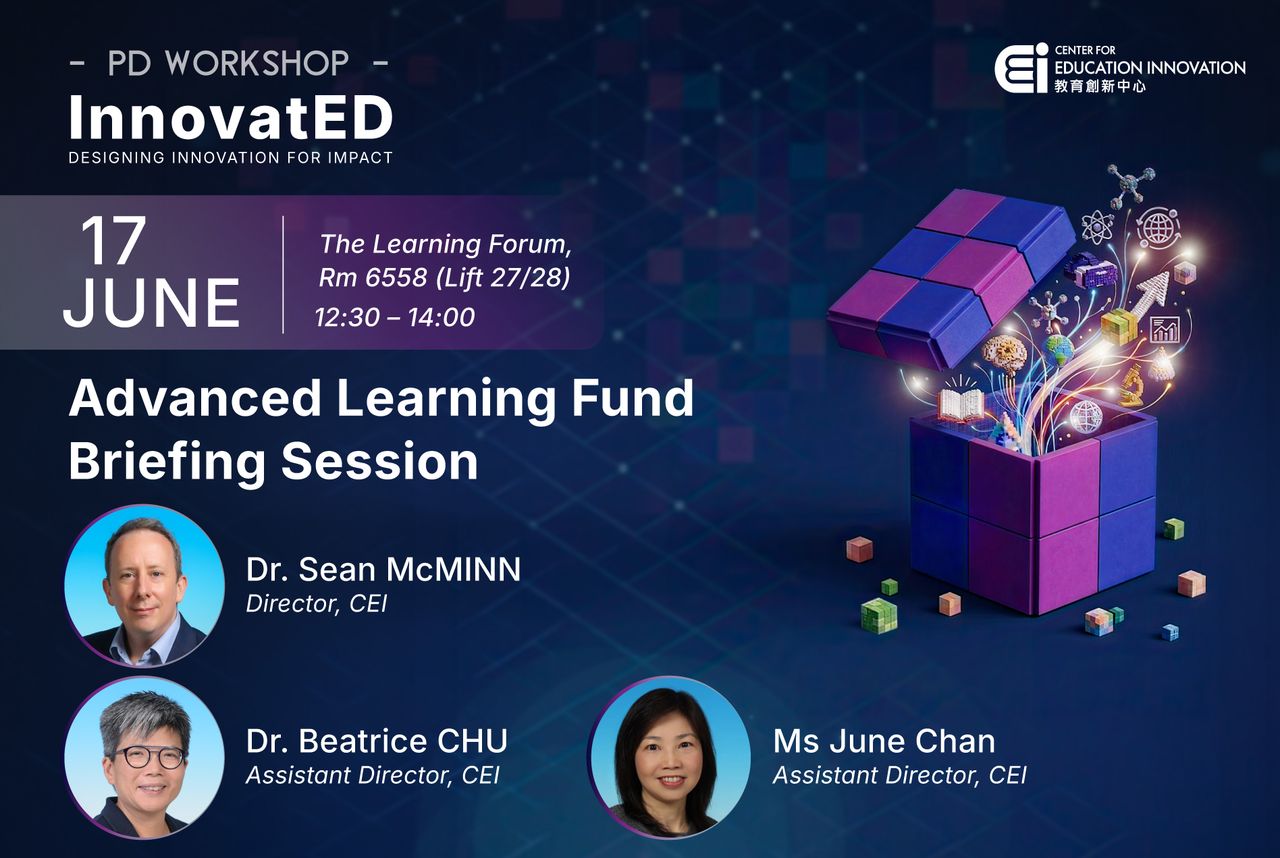
InnovatED Roundtable
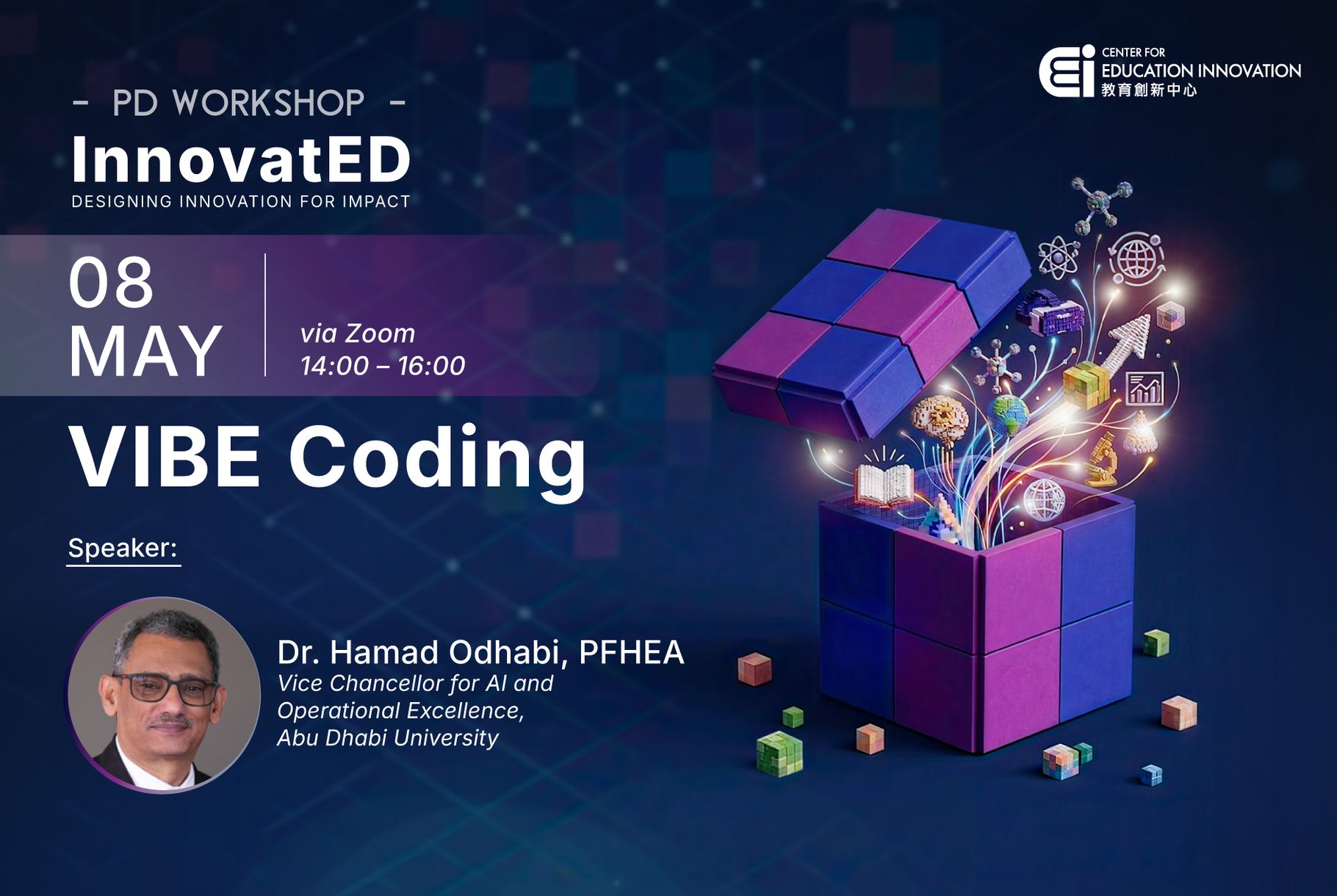
InnovatED: VIBE Coding

AEE Colloquium 2026